World
Trump's Media Ban: CNN, MSNBC, Politico Barred from White House
President Trump bans major media outlets from the White House, citing unfavorable coverage, sparking press freedom concerns.
১৮ সেপ্টেম্বর, ২০২৬
Iran vows to keep the Strait of Hormuz closed as long as Trump and Netanyahu remain in power, citing 200 days of public resilience.
Iran has vowed to maintain its blockade of the Strait of Hormuz as long as Donald Trump and Benjamin Netanyahu remain in power, according to a statement by Mohammad Baqer Zolqadr, a senior Iranian official. This declaration comes after 200 days of conflict, during which Iran's public has demonstrated remarkable resilience.
The Strait of Hormuz, a narrow waterway between Iran and Oman, has long been a flashpoint in regional geopolitics. Through it flows approximately 20% of the world’s oil supply, making it a critical chokepoint for global energy markets. Historically, Iran has used the strait as leverage during times of tension, most notably during the 1980s Iran-Iraq War, when both sides targeted oil tankers in what became known as the “Tanker War.”
Today, the strait’s strategic importance is compounded by the ongoing conflict between Iran and Israel, with the U.S. firmly backing its ally. Zolqadr’s statement underscores Iran’s determination to use its geographic advantage to counter what it perceives as aggression from the Trump and Netanyahu administrations.
Mohammad Baqer Zolqadr highlighted the Iranian public’s unwavering support for the government’s stance. “Over the past 200 days, our people have shown extraordinary perseverance in the face of adversity,” Zolqadr said. This period has seen intensified sanctions, military skirmishes, and diplomatic isolation, yet Iran’s domestic unity remains a cornerstone of its strategy.
The blockade of the Strait of Hormuz is both a symbolic and practical measure. Symbolically, it signals Iran’s refusal to yield to external pressure. Practically, it disrupts global oil markets, forcing major economies to reconsider their approach to the crisis. However, this move also carries significant risks, including potential military retaliation and further economic strain on Iran itself.
The closure of the Strait of Hormuz has far-reaching consequences beyond the immediate region. For ordinary citizens in Pakistan, the Gulf, and beyond, the disruption could mean higher fuel prices and increased costs of living. Globally, it exacerbates existing economic uncertainties, particularly as countries recover from the pandemic and navigate inflationary pressures.
For Iran, the blockade is a double-edged sword. While it strengthens its negotiating position, it also isolates the country further, limiting its access to international trade and aid. The question remains: How long can Iran sustain this strategy without triggering a broader conflict?
This development fits into a broader pattern of escalating tensions in the Middle East. The U.S. and Israel’s assertive policies under Trump and Netanyahu have pushed Iran into a corner, leaving few options for de-escalation. Meanwhile, global powers like China and Russia are closely watching, as the situation could impact their own strategic interests in the region.
Historically, such standoffs have often led to miscalculations, with unintended consequences. The international community is now faced with the challenge of preventing a localized conflict from spiraling into a global crisis.
The Strait of Hormuz is a narrow waterway between Iran and Oman, crucial for global oil supply as 20% of the world's oil passes through it.
Iran's public has shown remarkable resilience over 200 days of conflict, supporting the government's stance despite sanctions and military tensions.
The blockade disrupts global oil markets, leading to higher fuel prices and economic uncertainty, particularly affecting countries reliant on oil imports.
GuruAlpha News Desk
The GuruAlpha News team delivers accurate, timely coverage of breaking news, markets, technology, and lifestyle — in English and Urdu.
President Trump bans major media outlets from the White House, citing unfavorable coverage, sparking press freedom concerns.
১৮ সেপ্টেম্বর, ২০২৬
A salmon boom in Alaska's Katmai National Park has led to the biggest Fat Bear Week ever, with 16 competitors vying for the title.
১৮ সেপ্টেম্বর, ২০২৬
Lawsuits accuse the Trump administration of voter intimidation by suggesting federal officers could monitor polling sites.
১৮ সেপ্টেম্বর, ২০২৬
The Bank of Japan raised its benchmark interest rate to 1.25% to curb persistent inflation driven by global conflicts and energy prices.
১৮ সেপ্টেম্বর, ২০২৬
Los Angeles prosecutors charged a drug-impaired driver with murder after her SUV blew a red light and crushed a city bus, killing two.
১৮ সেপ্টেম্বর, ২০২৬
South Korean President Lee Jae Myung publicly rejected US demands to send troops to the Middle East, citing energy security and regional defense priorities.
১৮ সেপ্টেম্বর, ২০২৬
Automattic, the company behind WordPress, has named Jeremy Klaperman as interim CFO following recent executive departures.
১৮ সেপ্টেম্বর, ২০২৬
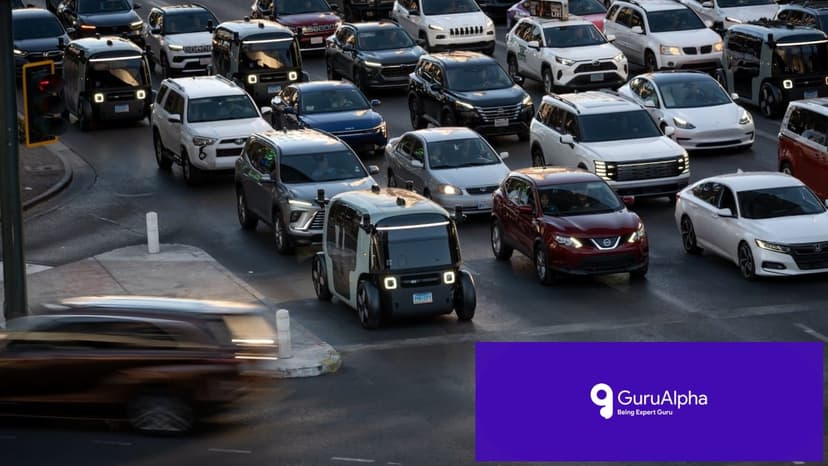
Amazon's Zoox is set to expand its robotaxi fleet beyond 100 vehicles in Nevada, marking a significant shift in autonomous transportation.
১৮ সেপ্টেম্বর, ২০২৬